Visitor Tips for Warsaw Uprising Museum PL
Discover the Soul of Courage: Visiting the Warsaw Uprising Museum
The Warsaw Uprising Museum stands as a testament to the resilience of those who faced oppression. It presents a distinctive look at the sacrifices made during a critical chapter in history. Attendees can immerse themselves in immersive exhibits that highlight individual accounts and shared history. Such a journey through history brings up important questions about human rights and the continuous fight for democratic principles. What lessons can be drawn from these narratives, and how do they remain relevant in the present?
Why The Warsaw Uprising Is Still Relevant Today
The relevance of the Warsaw Uprising of 1944 holds great weight in contemporary society, symbolizing perseverance amid oppression. This pivotal moment in history, which unfolded during World War II, highlights the bravery of those who stood against authoritarian rule, establishing it as a powerful reference point for contemporary battles against oppressive regimes. The uprising serves as a reflection of the lives given for independence, fostering a spirit of obligation to defend democratic ideals in our time.
In an era marked by increasing nationalism and populist sentiment, the teachings of the Warsaw Uprising inspire watchfulness against the undermining of civil freedoms. It additionally nurtures a collective appreciation for the significance of joint endeavors in defending human rights. Furthermore, the uprising bridges generations, joining the stories of historical heroes with modern justice movements. As a result, its legacy persists in inspiring individuals and societies around the world, highlighting the ongoing struggle for freedom and equality.
Explore Key Exhibits and Personal Stories
When touring the Warsaw Uprising memorial museum, guests are able to explore remarkable displays that breathe life into the profound struggles of those who lived through it. The museum's collection includes personal artifacts, photographs, and documents that depict the everyday hardships endured by civilians and fighters alike. One poignant exhibit features letters penned by uprising participants, shedding light on their aspirations and apprehensions during those turbulent times. A further exhibit illuminates the stories of families who were displaced, showcasing the human toll of conflict.
Moreover, the exhibit displays uniforms and weaponry used during the uprising, offering insight into the challenging conditions. The story is enhanced by audio recordings of eyewitnesses sharing their stories, bringing a heartfelt perspective to the events of history. These installations not only teach audiences about the revolt but also honor the courage and determination of those who stood up for their community, bringing historical events to life for today's audiences.
Essential Interactive Exhibits at The Museum
How can interactive exhibits enhance the understanding of the Warsaw Uprising? At the Warsaw Uprising Museum, these exhibits offer a dynamic way to engage with history. A particularly notable exhibit enables visitors to explore a virtual map of the city as it appeared during the uprising, shedding light on the geographical obstacles encountered by insurgents. Another immersive experience simulates the sounds of battle, enveloping guests in the atmosphere of resistance.
Furthermore, the museum showcases a compelling interactive wall where visitors can submit thoughts and messages, creating a personal relationship to the broader historical context. Interactive screens highlight direct accounts from those who lived through it, bridging the gap between past and present. Such interactive features not only educate but also generate understanding, allowing the depth of the Warsaw Uprising to become clearer and more meaningful. With these forward-thinking features, the museum shapes the study of history into an engaging journey that resonates deeply with all who attend.
Useful Advice For Visiting The Museum
What key tips can improve a visit to the Warsaw Uprising Museum? To begin with, it is recommended to set aside at least two to three hours for a comprehensive exploration of the exhibits. Guests are encouraged to purchase tickets online ahead of time to bypass lengthy lines, particularly during busy tourist seasons. Audio guides are available and recommended, as they provide valuable context and deeper insights into the exhibits.
Arriving early in the day can also enhance the experience, allowing for a quieter atmosphere. Appropriate footwear is necessary, as the exhibition requires considerable walking and time on your feet. In addition, attendees should consider looking at the museum's timetable for organized events, hands-on workshops, or curated tours that might enhance their overall comprehension. Finally, engaging with the museum staff for recommendations can result in uncovering hidden artifacts and narratives that showcase the strength of Warsaw's residents throughout the uprising.
How The Uprising Influences Contemporary Polish Identity
The Warsaw Uprising stands as a landmark event in Polish history, significantly impacting the nation's collective identity. This courageous 1944 stand against Nazi occupation represents courage, resilience, and the struggle for freedom. The Uprising has emerged as a key reference point in contemporary Polish national identity, cultivating feelings of solidarity among Poles who see it as a testament to their collective past and ideals.
In present-day Poland, the Uprising is commemorated in various forms, from official gatherings to cultural celebrations, strengthening a shared memory that defines national identity. The courage displayed during the Uprising is honored through literature, cinema, and art, serving to inspire national pride.
Additionally, the Uprising's legacy prompts continuous discussions about democracy, sacrifice, and historical memory, affecting civic engagement and political discourse. As a result, the Warsaw Uprising's significance stands as a cornerstone of Polish identity, embodying the lasting quest for sovereignty and the spirit of resistance.
Empowering Future Generations Through The Museum
The Museum of the Warsaw Uprising holds a significant position in educating young visitors through its interactive exhibits, which connect them to the pivotal occurrences of the uprising. By preserving these narratives, the memorial not only pays tribute to history but also cultivates a feeling of duty in the next generation. This methodology nurtures a more profound appreciation of historical events and their continuing significance on Poland's cultural heritage.
Learning Through Interactive Exhibits
Whereas most museums strive to protect history, the museum dedicated to the Warsaw Uprising adopts a unique methodology by engaging visitors through interactive exhibits. These meticulously planned displays encourage visitors to deeply explore the stories of those who endured the uprising. By incorporating multimedia showcases, virtual reality simulations, and engaging activities, the museum cultivates a profound appreciation of the historical significance and emotional impact of the events. Guests can examine genuine artifacts and participate in narratives that transforms history into a living experience, ensuring it resonates with future generations. This hands-on approach not only teaches but also nurtures understanding and reflective thinking, making certain that the teachings of the uprising reach well past the museum's boundaries, shaping the perspectives of future leaders.
Maintaining the Impact of Historical Narratives
By means of its immersive displays, the Warsaw Uprising Museum not only informs guests but also serves a vital function in maintaining historical accounts that speak to generations to come. By highlighting firsthand experiences, artifacts, and multimedia presentations, the museum fosters a greater appreciation of the Uprising's historical impact. This engagement helps to ensure that the contributions made during this defining period in history are not lost. The museum highlights the value of courage, resilience, and shared remembrance, inspiring young people to reflect on their own ideals and obligations. As guests connect emotionally with the past, they are inspired to become active participants in creating a just future. As a result, the museum acts as a crucial conduit for passing on these critical narratives through generations.
Personal Narratives That Illuminate History
Among the relics and exhibits of the Warsaw Uprising's commemorative museum, firsthand accounts stand out as powerful demonstrations of endurance and valor. Every account, regardless of whether it comes from a fighter or a resident, provides a profoundly touching glimpse into the lived reality during one of history's most harrowing periods. The institution presents written correspondence, journals, and spoken accounts that express the feelings of grief, perseverance, and resistance, enabling guests to forge a profound connection with history.
These stories illuminate the complexities of survival, demonstrating how ordinary individuals became extraordinary heroes. They expose the moral dilemmas encountered throughout the uprising and the bonds forged in adversity. By showcasing these deeply personal stories, the museum not only preserves history but also highlights the significance of individual voices in shaping collective memory. At their core, these intimate narratives reshape the perception of the uprising, allowing it to resonate in contemporary discussions about resistance and identity.
Questions We Often Receive
What Are the Museum's Operating Hours and Admission Fees?
The museum functions every day between 10 AM and 6 PM, remaining open until 8 PM on Thursdays. Admission fees are 25 PLN for adult visitors, whereas students and seniors receive discounted admission at 15 PLN.
Does the Warsaw Uprising Museum Offer Guided Tours?
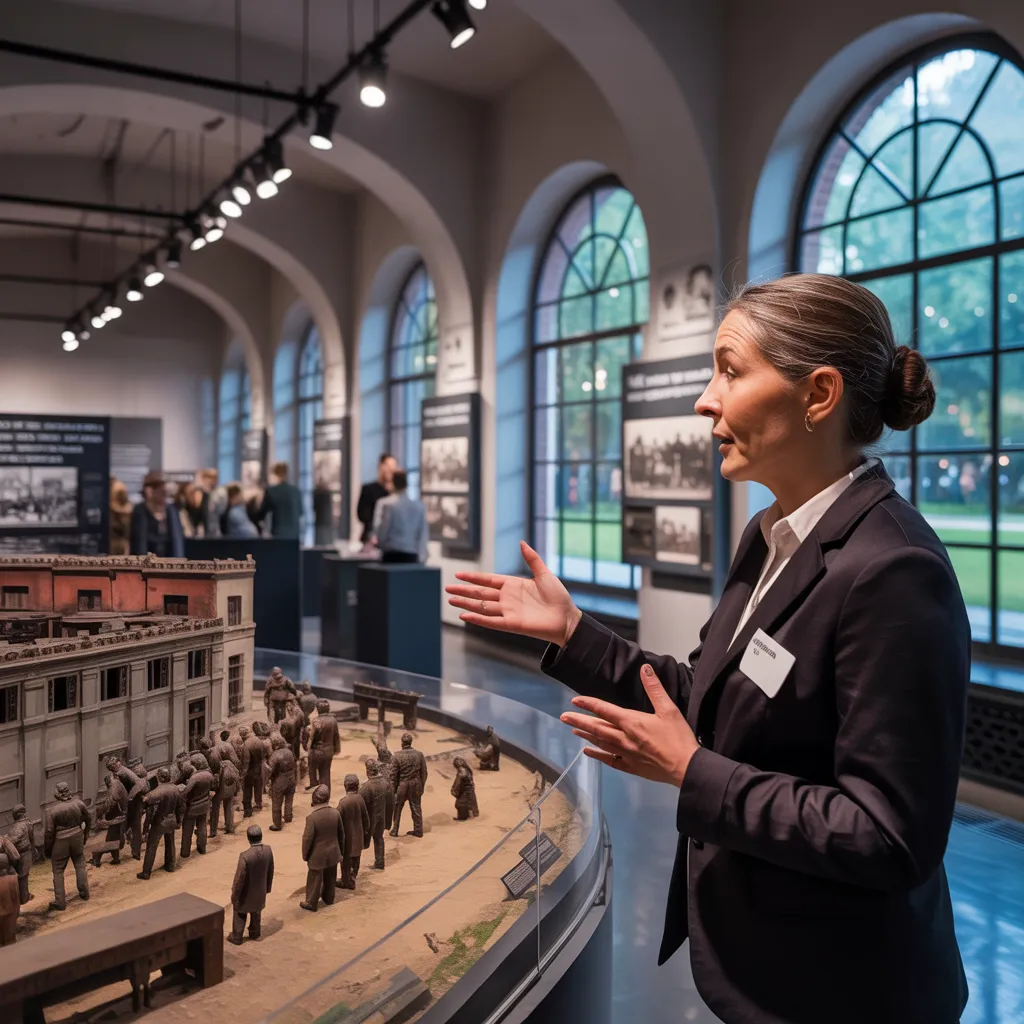
Absolutely, guided tours are available at the museum. Such tours offer in-depth insights into the historical exhibits and context, enhancing visitors' understanding of the historical events and importance of the historical uprising. Booking in advance is recommended.
Is Photography Allowed Inside the Museum?
Photography is generally not permitted inside the museum in order to protect the displays and honor the dignified nature of the environment. Visitors are encouraged to enjoy the experience without capturing images, concentrating on the profound historical value of the displays.
Are There Any Gift Shops or Cafés Located On-Site?
Yes, the museum features both a retail shop and a café on the premises. Patrons have the opportunity to shop for keepsakes and indulge in light refreshments, making their experience more enriching while discovering the historical importance of the museum's displays.
Are There Any Special Events or Exhibitions Coming Up?
The museum consistently presents distinctive programs and exhibitions. full details Future programs offer presentations, film showings, and hands-on exhibits, giving attendees greater knowledge about the historical significance of the Warsaw Uprising and its enduring legacy.